


Description
Farm Details
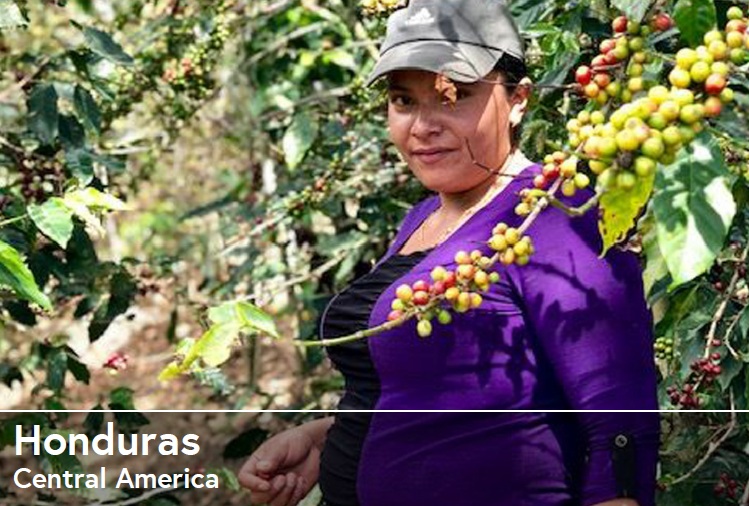
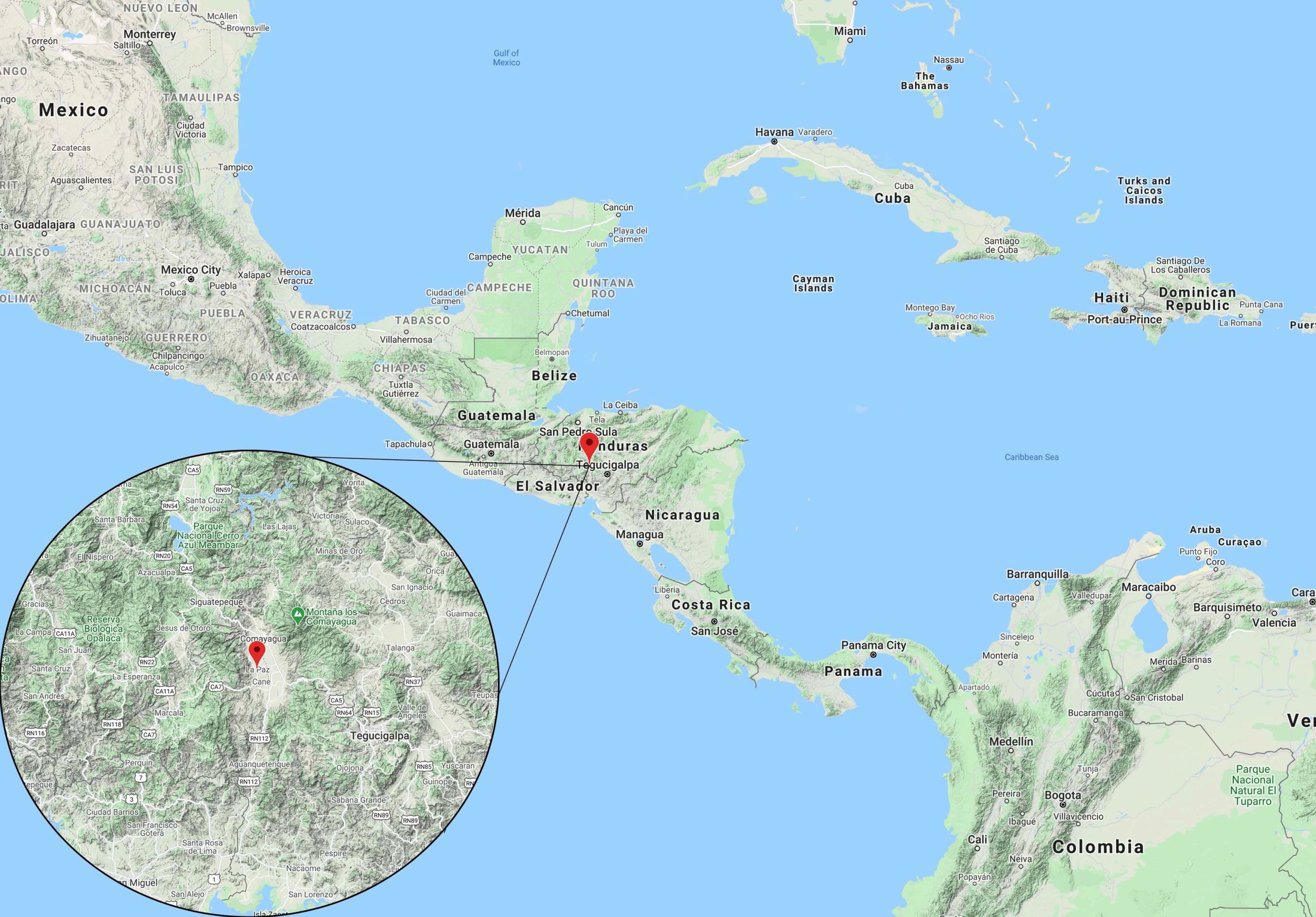
“Manos de Mujer” is a newly formed group of female coffee producers within the COMSA (Café Organico Marcala, S.A.) organization located in Marcala, Honduras. This initiative was started in September 2013 for the purpose of improving the living standards of the women members of COMSA that own and operate their own farms. But it’s not just coffee these women produce; they are also part of a larger initiative of women farmers of COMSA trying to diversify their farms beyond coffee, in an effort to have a more sustainable income throughout the year. To contribute, they’ve planted vegetable and fruit gardens, and started raising chickens, pigs and cows from which they feed their family first, and then sell the surplus in a farmer’s market of organic products from which the entire community of Marcala can buy from every 2 weeks. Their activities have not only helped their families economically but also emotionally since vegetables and animal farms require continued dedication and positive impact on their families. This initiative by COMSA aims to promote gender equality at the farms and throughout the community.
Region Details
It’s believed that coffee was first brought to Honduras by European traders sometime in the late 18th century. Records show that by the mid-19th century, farms had been established and coffee was grown on a small scale.
Honduras has many of the climatic and geographic conditions necessary to produce high quality coffee. In recent years, Honduras has emerged as one of world’s the most important coffee origins and is now 7th largest in the world.
Coffee beans from this country are wet-processed before they are graded based on their quality. This grade takes into account the growing altitude:
- Strictly High Grown – grown 1350 meters above sea level
- High Grown – grown 1200-1350 meters above sea level
- Central Standard – grown below 1200 meters above sea level
Coffee beans grown at higher altitude are typically considered to have better taste and quality. Higher altitude temperatures are usually cooler and this allows for a slower maturation process. The slower cycle gives the sugars more time to develop, producing richer and deeper flavors.


Reviews
There are no reviews yet.